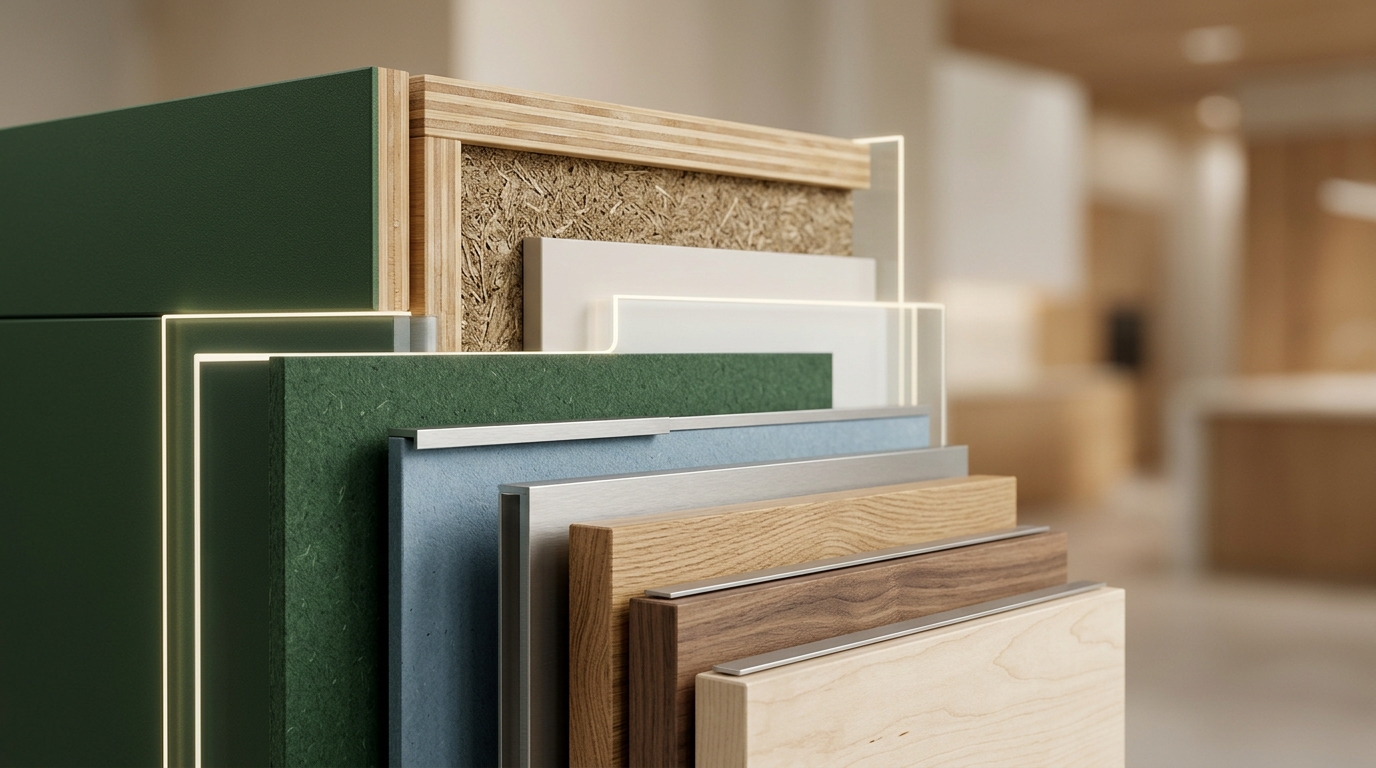
The Best Eco-Friendly Kitchen Cabinetry Brands: 2024 Guide
The Shift Toward Sustainable Luxury in Modern Kitchens
In the contemporary design landscape, the demand for eco-friendly kitchen cabinetry brands has transitioned from a niche preference to a fundamental requirement for the health-conscious and environmentally aware homeowner. As the heart of the home, the kitchen is no longer just a place for culinary preparation; it is a statement of values. However, navigating the world of green cabinetry requires a deep understanding of manufacturing processes, material sourcing, and chemical emissions. At Kuchen IQ, we believe that luxury and sustainability are not mutually exclusive—they are, in fact, two sides of the same coin.
When searching for eco-friendly kitchen cabinetry brands, homeowners often face a sea of "greenwashing." True sustainability goes beyond just using recycled wood; it encompasses the entire lifecycle of the product, from the forest floor to the final installation in your home. This guide provides a comprehensive framework for identifying brands that prioritize ecological integrity without compromising on the precision and aesthetics of high-end German engineering.
Defining the Standard: What Makes a Cabinetry Brand Truly Eco-Friendly?
To differentiate between average manufacturers and leading eco-friendly kitchen cabinetry brands, one must look at specific certifications and production methodologies. The cabinetry industry has historically relied on adhesives and finishes that release Volatile Organic Compounds (VOCs), which can degrade indoor air quality for years.
1. Low-VOC and Non-Toxic Finishes
The primary concern for many homeowners is the off-gassing of formaldehyde, a known carcinogen often found in the glues used in particle board and plywood. Leading eco-friendly brands adhere to the California Air Resources Board (CARB2) standards or the even more stringent European E1 emission class. Kuchen IQ partners with manufacturers who utilize water-based lacquers and solvent-free finishes, ensuring that your kitchen remains a safe environment for your family.
2. Sustainable Timber Sourcing
Wood is a renewable resource, but only if managed correctly. Search for brands that carry the Program for the Endorsement of Forest Certification (PEFC) or Forest Stewardship Council (FSC) seals. These certifications guarantee that the timber used in your cabinets comes from forests that are managed according to strict ecological, social, and economic standards. Our Behind the Brand story highlights our commitment to these global standards, ensuring that every cabinet contributes to forest preservation rather than depletion.
3. Circular Economy and Waste Reduction
Sustainability also involves the manufacturing plant's efficiency. The top eco-friendly kitchen cabinetry brands implement "zero-waste" policies, where wood offcuts are used to heat the production facility and water used in the finishing process is filtered and reused. This closed-loop system is a hallmark of premium German manufacturing.
Why German Engineering Leads the Eco-Friendly Movement
Germany has long been at the forefront of environmental regulation and industrial innovation. This unique intersection has allowed German cabinetry brands to set the global benchmark for sustainability. When you choose German-made cabinets through Kuchen IQ, you are investing in a legacy of environmental stewardship.
German manufacturers are legally required to adhere to some of the world's toughest environmental laws. This has fostered a culture of innovation where sustainability is integrated into the design phase. For instance, the design in motion philosophy at Kuchen IQ ensures that hardware is built to last for decades, reducing the need for replacement and minimizing the long-term carbon footprint of your kitchen renovation.
Comparing Eco-Friendly Materials: A Structural Breakdown
Not all "green" materials are created equal. Use the table below to understand the impact of various materials used by eco-friendly kitchen cabinetry brands.
| Material Type | Sustainability Score | Best For | Environmental Impact |
|---|---|---|---|
| FSC-Certified Solid Wood | High | Traditional Aesthetics | Renewable, biodegradable, but requires careful sourcing. |
| Recycled Wood Composites | Very High | Modern Slab Doors | Utilizes post-industrial waste; requires non-toxic resins. |
| Bamboo | Moderate to High | Contemporary Accents | Rapidly renewable, but often involves high shipping emissions. |
| Low-Emission MDF (E1/CARB2) | Moderate | Painted Finishes | Excellent durability; must be verified for low formaldehyde. |
A Step-by-Step Framework for Choosing Your Eco-Friendly Kitchen
Choosing between various eco-friendly kitchen cabinetry brands can be overwhelming. Follow this methodology to ensure your choice aligns with your environmental goals:
- Verify Certifications: Do not take a brand's word for it. Look for third-party seals like Blue Angel (Germany’s premier eco-label) or PEFC.
- Analyze the Core Material: Ask specifically about the substrate. Is it made from recycled content? Does it meet E1 emission standards?
- Evaluate Longevity: The most sustainable product is the one that doesn't need to be replaced. High-quality German engineering ensures that drawers and hinges function perfectly for 20-30 years. Explore our inspiration gallery to see how durable design stands the test of time.
- Inquire About the Supply Chain: Is the manufacturer transparent about where they get their energy? Leading brands often use solar arrays or biomass plants to power their factories.
- Consider the Shipping Impact: While European cabinets travel a distance, the efficiency of the shipping (often by rail and sea) and the high environmental standards of the factories often result in a lower total carbon footprint than locally made cabinets that use high-VOC materials and inefficient processes.
The Kuchen IQ Philosophy: Sustainability Through Quality
At Kuchen IQ, our approach to being one of the leading eco-friendly kitchen cabinetry brands in Canada is rooted in the concept of "Enkeltauglichkeit"—a German term meaning "suitable for grandchildren." This philosophy drives us to select materials and processes that protect the world for future generations.
Our how it works process is designed to be as efficient as possible, reducing waste at every step. From the initial 3D rendering to the final precision installation, we ensure that every millimetre of material is used effectively. By choosing a premium German brand, you are choosing a product that is designed for disassembly and recycling at the end of its long life.
Actionable Tips for a Greener Kitchen Remodel
- LED Lighting: Integrate high-efficiency LED strips into your cabinetry design to reduce energy consumption.
- Waste Management Systems: Choose cabinetry that includes built-in, ergonomic recycling and compost sorting bins to make sustainable living effortless.
- Induction Ready: Design your cabinetry to accommodate induction cooktops, which are more energy-efficient and improve indoor air quality compared to gas.
- Minimalist Hardware: Opt for high-quality, recyclable metal hardware that will not tarnish or break over time.
Frequently Asked Questions About Eco-Friendly Cabinetry
Are eco-friendly cabinets more expensive?
While the initial investment in premium eco-friendly kitchen cabinetry brands may be higher than mass-produced, low-quality alternatives, the long-term value is significantly greater. These cabinets last twice as long, improve home resale value, and eliminate the health costs associated with poor indoor air quality.
What does "E1 Standard" mean for my kitchen?
The E1 standard is a European classification for wood-based materials that limits formaldehyde emissions to a level that is safe for human health. It is significantly stricter than many North American standards, making it a key requirement for any eco-friendly brand.
Can I get a modern look with sustainable cabinets?
Absolutely. In fact, many of the most cutting-edge, minimalist designs come from German eco-friendly kitchen cabinetry brands. Sustainability today involves sleek laminates made from recycled paper, water-based high-gloss lacquers, and ultra-durable matte finishes that are both beautiful and green.
Conclusion: Making the Conscious Choice
Investing in your home should never come at the expense of the environment. By focusing on eco-friendly kitchen cabinetry brands that prioritize certified sourcing, non-toxic finishes, and lifelong durability, you create a space that is as healthy as it is beautiful. German cabinetry remains the gold standard in this field, offering a unique blend of ecological responsibility and unparalleled craftsmanship.
Ready to transform your home with sustainable, premium German cabinetry? Our team of experts is here to guide you through every choice, from material selection to final installation. Contact Kuchen IQ today to start your journey toward a greener, more luxurious kitchen.