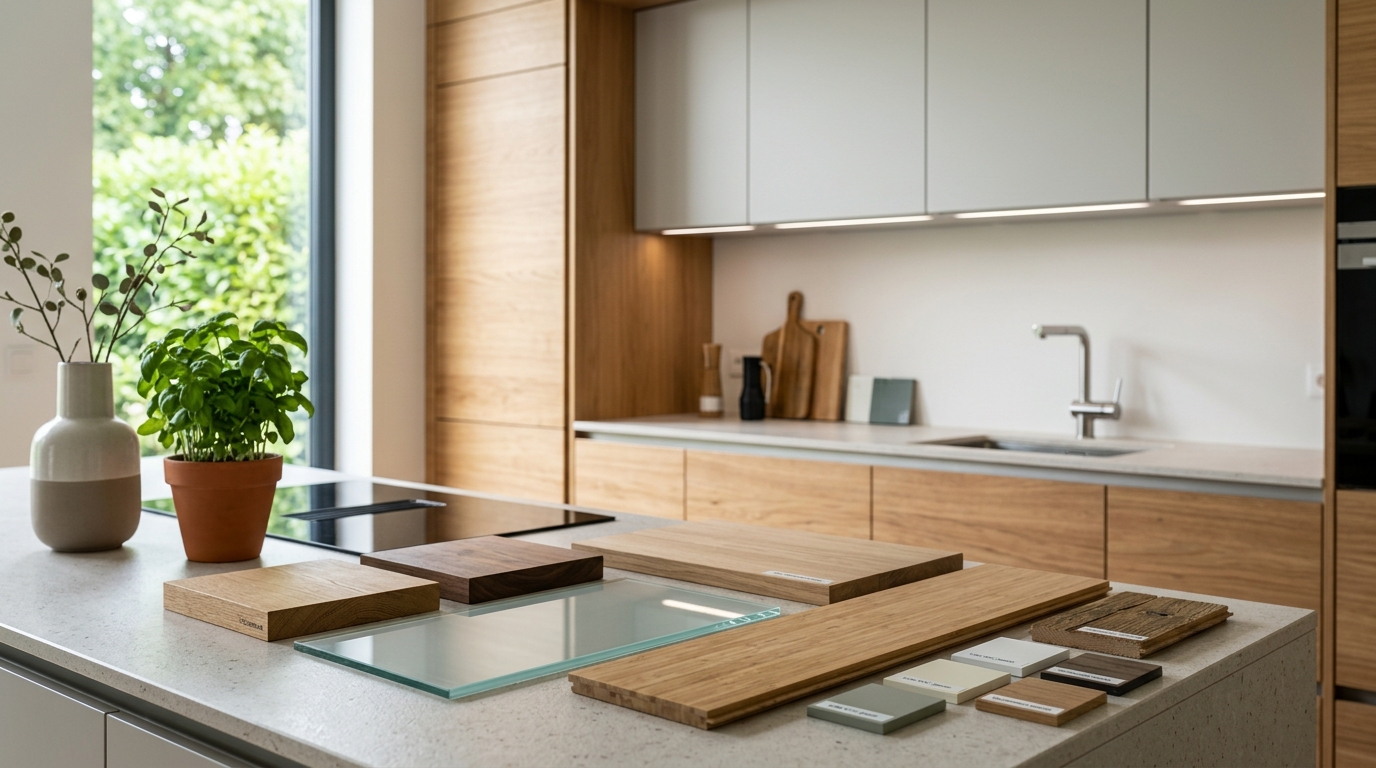
Eco-Friendly Kitchen Renovation Materials and Standards Guide
The Evolution of Sustainability in Modern Kitchen Design
The modern homeowner is no longer just looking for aesthetic brilliance and functional efficiency; there is a burgeoning demand for environmental responsibility. As we transition into a more conscious era of home improvement, understanding eco-friendly kitchen renovation materials and standards has become the cornerstone of high-end design. At Kuchen IQ, we believe that luxury and sustainability are not mutually exclusive. In fact, German engineering has long prioritized the intersection of longevity, health, and environmental stewardship.
Choosing the right materials involves navigating a complex landscape of supply chains, chemical emissions, and resource management. A truly sustainable kitchen isn't just about using recycled glass or bamboo; it’s about a holistic approach that considers the entire lifecycle of the product—from the forest floor to the final installation in your home. This guide provides an authoritative deep dive into the materials and global standards that define the modern green kitchen.
Essential Eco-Friendly Kitchen Renovation Materials and Standards
When planning a renovation, the materials you select for your cabinetry, countertops, and flooring will have the most significant impact on your home's indoor air quality and environmental footprint. To achieve a gold-standard renovation, you must look beyond the surface level and investigate the manufacturing processes behind the products.
Cabinetry: The Sustainable Core
Cabinetry often represents the largest volume of material in a kitchen renovation. Traditional cabinets can sometimes be a hidden source of Volatile Organic Compounds (VOCs), particularly formaldehyde, which is used in many adhesives. For a truly green kitchen, seek out cabinetry manufactured under strict European regulations. Our behind the brand story highlights how German manufacturing leads the world in low-emission standards.
- FSC and PEFC Certified Wood: These certifications ensure that the wood used in your cabinets comes from responsibly managed forests that provide environmental, social, and economic benefits.
- Low-VOC Finishes: Water-based lacquers and UV-cured coatings significantly reduce the off-gassing of harmful chemicals into your home environment.
- Recycled Particleboard: High-quality German cabinetry often utilizes up to 90% recycled wood chips from sawmills and sustainable forestry, compressed with eco-friendly resins.
Countertops: Durability Meets Ecology
The choice of countertop is a balance between durability and the environmental cost of extraction. While natural stone is popular, its carbon footprint can be high due to shipping and quarrying processes. Alternatives include:
- Paper Composite Surfaces: Made from FSC-certified paper and petroleum-free resin, these surfaces are incredibly durable and heat-resistant.
- Recycled Glass and Porcelain: These surfaces repurpose post-consumer waste into stunning, non-porous worktops.
- Sustainably Sourced Quartz: Look for manufacturers that utilize closed-loop water systems and high recycled content in their quartz slabs.
Industry Standards and Certifications to Look For
Navigating eco-friendly kitchen renovation materials and standards requires a keen eye for third-party certifications. These labels provide an objective measure of a product's environmental impact.
The Blue Angel (Der Blaue Engel)
The Blue Angel is the oldest environmental label in the world and serves as the benchmark for German-made products. When you see this on cabinetry or appliances, it guarantees that the product has a lower environmental impact and higher health protection than comparable products. It covers everything from resource extraction to disposal.
CARB2 Compliance
The California Air Resources Board (CARB) Phase 2 is one of the world's most stringent standards for formaldehyde emissions in composite wood products. Premium German cabinetry, such as that offered by Kuchen IQ, often exceeds these standards, ensuring that the air in your home remains clean and safe for your family.
The Golden M (Das Goldene M)
This is one of the most important quality certificates for furniture in Europe. It signifies that the furniture has been tested for stability, safety, durability, and health compatibility. It ensures that no hazardous materials were used during the manufacturing process, a critical factor when considering the long-term impact of your renovation.
Comparison: Traditional vs. Eco-Friendly Kitchen Materials
The following table illustrates the key differences between standard renovation materials and their eco-friendly counterparts.
| Feature | Traditional Materials | Eco-Friendly Standards |
|---|---|---|
| Adhesives | Urea-Formaldehyde based resins | Formaldehyde-free or low-emission resins (CARB2/E1) |
| Wood Sourcing | Unregulated or clear-cut timber | FSC/PEFC certified sustainable forestry |
| Manufacturing Waste | High waste, low recycling rates | Closed-loop systems, up to 90% recycled content |
| Longevity | 10-15 year lifecycle | 25+ year lifecycle (German Engineering) |
| Indoor Air Quality | High VOC off-gassing potential | Zero or low VOC emissions |
The Kuchen IQ Approach to Environmental Stewardship
At Kuchen IQ, our commitment to eco-friendly kitchen renovation materials and standards is embedded in our DNA. We don't just provide cabinets; we provide a system designed to last a lifetime, reducing the need for future renovations and further resource consumption. You can see our commitment to beauty and ethics in our inspiration gallery.
Our German-made cabinetry utilizes state-of-the-art technology to maximize material efficiency. By using precision laser-edging and automated cutting processes, waste is minimized to nearly zero during production. Furthermore, the longevity of German cabinetry is a form of sustainability in itself—choosing a kitchen that lasts 30 years instead of 10 effectively reduces your environmental impact by two-thirds over the life of your home.
Step-by-Step Framework for a Sustainable Kitchen Renovation
If you are ready to embark on a green renovation journey, follow this actionable framework to ensure your project meets the highest standards.
Phase 1: Audit and Assessment
Before demolishing your existing kitchen, determine what can be salvaged. Can your old appliances be donated? Can the existing stone be repurposed? Reducing landfill waste is the first step in a sustainable renovation.
Phase 2: Material Selection
Research the supply chains of your chosen materials. Ask your suppliers for their PEFC or FSC certifications. When browsing our design in motion page, notice how the integration of durable, high-quality hardware further extends the life of the kitchen, preventing premature replacement.
Phase 3: Energy and Water Efficiency
A green kitchen isn't just about the cabinets. It requires high-efficiency appliances and low-flow faucets. Look for ENERGY STAR ratings and induction cooktops, which are significantly more energy-efficient than traditional gas ranges.
Phase 4: Professional Installation
Even the most eco-friendly materials can be compromised by poor installation. Proper fitting ensures that seals remain tight and materials are not damaged during the process. Learn more about how it works when you partner with experts who understand the nuances of premium German cabinetry.
The Long-term ROI of Eco-Friendly Renovations
While the initial investment in eco-friendly kitchen renovation materials and standards may be higher, the return on investment (ROI) is substantial. Sustainable kitchens often boast higher durability, meaning fewer repairs and replacements. Additionally, homes with certified "green" features frequently see higher resale values as modern buyers prioritize health and energy efficiency. Data from the National Association of Realtors suggests that energy efficiency and high-quality materials are among the top priorities for modern homebuyers.
Beyond the financial aspect, there is the intangible value of health. Eliminating VOCs and toxic chemicals from your primary living space creates a healthier environment for your family, reducing the risk of respiratory issues and chemical sensitivities.
FAQs: Eco-Friendly Kitchen Renovations
Are eco-friendly materials more expensive?
While some sustainable materials have a higher upfront cost due to the rigorous certification and manufacturing processes involved, they often offer a lower total cost of ownership. Their increased durability and the energy savings provided by high-efficiency components lead to long-term financial benefits.
What is the most sustainable countertop material?
There is no single "best" material, but recycled glass, paper composite, and locally sourced stone with high recycled content are excellent choices. The key is to look for manufacturers that use closed-loop production systems and have clear environmental disclosures.
How do I know if my cabinets are truly low-VOC?
Look for specific certifications like CARB2 compliance, the Blue Angel seal, or the Golden M. These third-party validations ensure that the formaldehyde emissions are well below the thresholds for indoor air safety.
Can a modern aesthetic be achieved with eco-friendly materials?
Absolutely. Modern German cabinetry is the perfect example of high-design meeting high-ethics. Sleek lines, handleless designs, and premium finishes are all available within the framework of sustainable manufacturing.
Start Your Sustainable Journey Today
Building a kitchen that respects the environment while providing a luxury experience is a complex but rewarding endeavor. By focusing on eco-friendly kitchen renovation materials and standards, you are investing in the future of your home and the planet. At Kuchen IQ, we are ready to help you navigate these choices and bring your vision of a sustainable, premium kitchen to life.
Ready to design a kitchen that lasts? Contact us today for a consultation and discover the difference that German engineering and sustainable practices can make in your home.