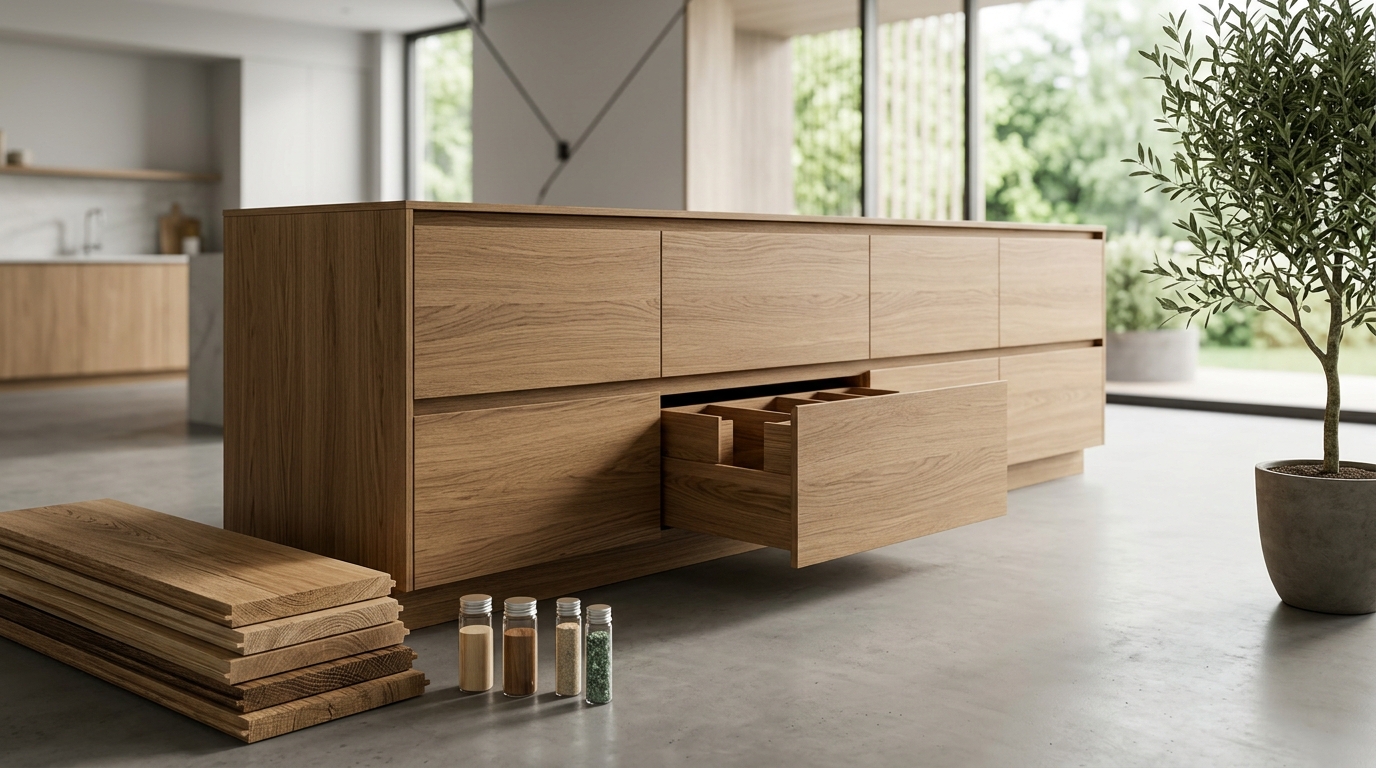
Leading Eco-Friendly and Sustainable Kitchen Cabinetry Brands
In the modern era of interior design, the kitchen has evolved from a purely functional workspace into the heart of the home, where aesthetics, health, and environmental responsibility converge. As homeowners become increasingly aware of their ecological footprint, the demand for eco-friendly and sustainable kitchen cabinetry brands has surged. It is no longer enough for a kitchen to look beautiful; it must also be built with materials that respect the planet and promote a healthy indoor environment. At Kuchen IQ, we believe that luxury and sustainability are not mutually exclusive but are instead two sides of the same coin of high-quality German engineering.
Choosing the right cabinetry involves navigating a complex landscape of certifications, material sources, and manufacturing processes. This comprehensive guide explores why sustainability is the new standard in premium cabinetry and how leading brands are pioneering the transition to a greener future.
The Evolution of Eco-Friendly and Sustainable Kitchen Cabinetry Brands
The movement toward sustainable kitchen design is rooted in a fundamental shift in consumer values. Historically, mass-market cabinetry relied heavily on urea-formaldehyde resins and fast-growing, non-certified timber. Today, the industry’s leaders are moving toward a circular economy model. This involves sourcing wood from managed forests, utilizing recycled components, and ensuring that the final product is durable enough to last for decades, thereby reducing the need for premature replacement.
In Europe, particularly in Germany, the standards for environmental protection are among the strictest in the world. German manufacturers have long understood that precision engineering and resource efficiency go hand in hand. By optimizing the cutting process to minimize waste and using advanced filtration systems to capture airborne particles in the factory, these brands set a global benchmark for what it means to be truly sustainable.
Key Criteria for Defining Sustainable Cabinetry
When evaluating eco-friendly and sustainable kitchen cabinetry brands, it is essential to look beyond marketing claims and examine the technical certifications that validate a brand's commitment to the environment.
1. Forest Stewardship Council (FSC) and PEFC Certification
The most recognizable mark of sustainability is the FSC or PEFC (Programme for the Endorsement of Forest Certification) seal. These certifications ensure that the wood used in your cabinets is harvested from forests that are managed responsibly, protecting biodiversity and supporting local communities. At Kuchen IQ, our partners prioritize these standards to ensure the longevity of global forest ecosystems.
2. Low-VOC and Formaldehyde-Free Materials
Indoor air quality is a critical component of a sustainable home. Traditional cabinets often outgas Volatile Organic Compounds (VOCs) and formaldehyde, which can contribute to respiratory issues and other health problems. Leading sustainable brands utilize CARB2-compliant materials and water-borne lacquers that significantly reduce or eliminate these harmful emissions.
3. The Blue Angel (Der Blaue Engel) Certification
Originating in Germany, the Blue Angel is the world’s first environmental label. It is awarded to products that are more environmentally friendly than comparable standard products. For cabinetry, this means the product has been tested for hazardous substances and meets high standards for resource conservation and health protection.
Why German Engineering Leads the Sustainability Movement
Germany has established itself as the world leader in the production of high-end, eco-conscious cabinetry. This leadership is not accidental; it is the result of a culture that values craftsmanship, efficiency, and environmental stewardship. When you explore the philosophy behind the brand at Kuchen IQ, you see a commitment to these rigorous German standards.
German manufacturers often operate in "closed-loop" systems. For instance, wood scraps from the manufacturing floor are frequently repurposed to heat the factory during the winter months, and water used in the finishing process is treated and recycled. This holistic approach to manufacturing is what distinguishes top-tier eco-friendly and sustainable kitchen cabinetry brands from those that simply use green labels as a marketing tool.
Material Comparison: Sustainable vs. Traditional Cabinetry
To understand the value of investing in sustainable cabinetry, it is helpful to compare the materials and processes used in premium eco-friendly brands versus traditional mass-market options.
| Feature | Traditional Cabinetry | Sustainable Premium Cabinetry |
|---|---|---|
| Wood Sourcing | Unregulated or non-certified timber | FSC/PEFC certified managed forests |
| Adhesives | Urea-Formaldehyde based glues | Formaldehyde-free or CARB2 compliant |
| Finishes | Solvent-based high-VOC lacquers | Water-borne, low-VOC UV lacquers |
| Manufacturing Waste | High waste, sent to landfills | Closed-loop recycling and energy recovery |
| Lifespan | 10-15 years (Disposable culture) | 25-40+ years (Built for longevity) |
A Framework for Choosing Sustainable Kitchen Cabinetry
If you are planning a renovation and want to ensure your kitchen is as green as possible, follow this 5-step methodology used by industry experts.
Step 1: Audit the Supply Chain
Ask the provider where the raw materials are sourced. A reputable brand will have transparent documentation regarding their wood suppliers. Look for proximity of manufacturing to the material source to minimize the carbon footprint associated with transportation.
Step 2: Verify Emissions Standards
Don't just take the word "non-toxic" at face value. Ask for CARB2 compliance or European E1/E05 emission class certifications. These are the gold standards for ensuring your kitchen won't pollute your home's air. For a deeper look at how these elements integrate into a high-performance kitchen, see our section on design in motion.
Step 3: Evaluate Manufacturing Durability
Sustainability is often defined by how long a product lasts. A cabinet that falls apart in ten years is not sustainable, regardless of the materials used. Look for details like dowel-and-glue construction, high-quality hinges (such as Blum or Grass), and moisture-resistant edge banding. This is the cornerstone of the Kuchen IQ philosophy.
Step 4: Analyze the Finish Quality
High-quality sustainable brands use UV-cured water-based lacquers. These are not only better for the environment but are also incredibly durable, resistant to scratches, and do not yellow over time. You can find visual examples of these finishes in our inspiration gallery.
Step 5: Review End-of-Life Planning
What happens to the cabinets in 30 years? Sustainable brands often use materials that are highly recyclable, such as aluminum, glass, and wood composites that can be broken down and reused in other applications.
The Impact of Biophilic Design on Sustainability
Sustainability is also about creating a space that connects humans with nature—a concept known as biophilic design. Leading eco-friendly and sustainable kitchen cabinetry brands incorporate natural textures and colors that evoke the outdoors. This psychological connection to nature often leads to better care for the environment and a higher quality of life for the residents.
By utilizing real wood veneers, stone-look finishes, and earth tones, modern German kitchens create a sanctuary that is both technologically advanced and organically grounded. This aesthetic approach ensures the design remains timeless, preventing the need for aesthetic renovations that generate unnecessary waste.
The Kuchen IQ Advantage: How We Partner with Sustainable Brands
At Kuchen IQ, we serve as the bridge between sophisticated homeowners and the most advanced German manufacturers. We understand that the process of building a sustainable kitchen can feel overwhelming. That is why we have refined a clear process for our clients to follow. You can learn exactly how it works on our dedicated process page, from initial consultation to final installation.
Our commitment to sustainability means we only work with manufacturers who prioritize the environment as much as they prioritize precision. This ensures that every kitchen we design is an investment in both your home's value and the planet's future.
Industry Trends: The Future of Sustainable Cabinetry
Looking forward, several trends are shaping the future of eco-friendly cabinetry:
- Carbon Neutral Manufacturing: More German brands are striving for carbon neutrality by investing in renewable energy like wind and solar for their production facilities.
- Alternative Materials: Research into cabinets made from hemp, straw, and recycled ocean plastics is moving from the fringe to the mainstream.
- Modular Design: The ability to replace single components rather than entire units is a key trend in reducing waste.
- Smart Tech Integration: Kitchens that monitor energy and water usage help homeowners maintain a sustainable lifestyle long after the cabinets are installed.
Frequently Asked Questions About Sustainable Cabinetry
Are sustainable kitchen cabinets more expensive?
While the initial investment in eco-friendly and sustainable kitchen cabinetry brands may be higher than mass-produced alternatives, the total cost of ownership is often lower. Sustainable cabinets are built to last decades longer, reducing replacement costs. Furthermore, they contribute to a healthier home and can increase property resale value.
What does "Low-VOC" actually mean for my family?
Volatile Organic Compounds (VOCs) are chemicals that vaporize at room temperature. In traditional kitchens, these can cause headaches, dizziness, and long-term health issues. Low-VOC cabinets use finishes and glues that emit significantly fewer of these chemicals, ensuring the air your family breathes is clean and safe.
Can I get a high-gloss finish that is still eco-friendly?
Yes. Modern German technology allows for the creation of stunning high-gloss finishes using water-based UV lacquers. These provide the same reflective brilliance and durability as traditional solvent-based finishes without the harmful environmental impact.
Conclusion: Making a Conscious Choice for Your Home
Investing in a new kitchen is one of the most significant decisions a homeowner can make. By choosing from eco-friendly and sustainable kitchen cabinetry brands, you are choosing to prioritize your family's health, support responsible forestry, and demand a higher standard of manufacturing excellence. German cabinetry remains the gold standard in this pursuit, offering a perfect blend of high-tech innovation and ecological responsibility.
Ready to design a kitchen that reflects your values and your style? The experts at Kuchen IQ are here to guide you through every step of the journey, ensuring your space is as sustainable as it is beautiful. Explore our curated collections and discover the difference that precision German engineering can make in your home.
Take the first step toward your sustainable dream kitchen today. Contact Kuchen IQ for a professional consultation and let us help you bring your vision to life.